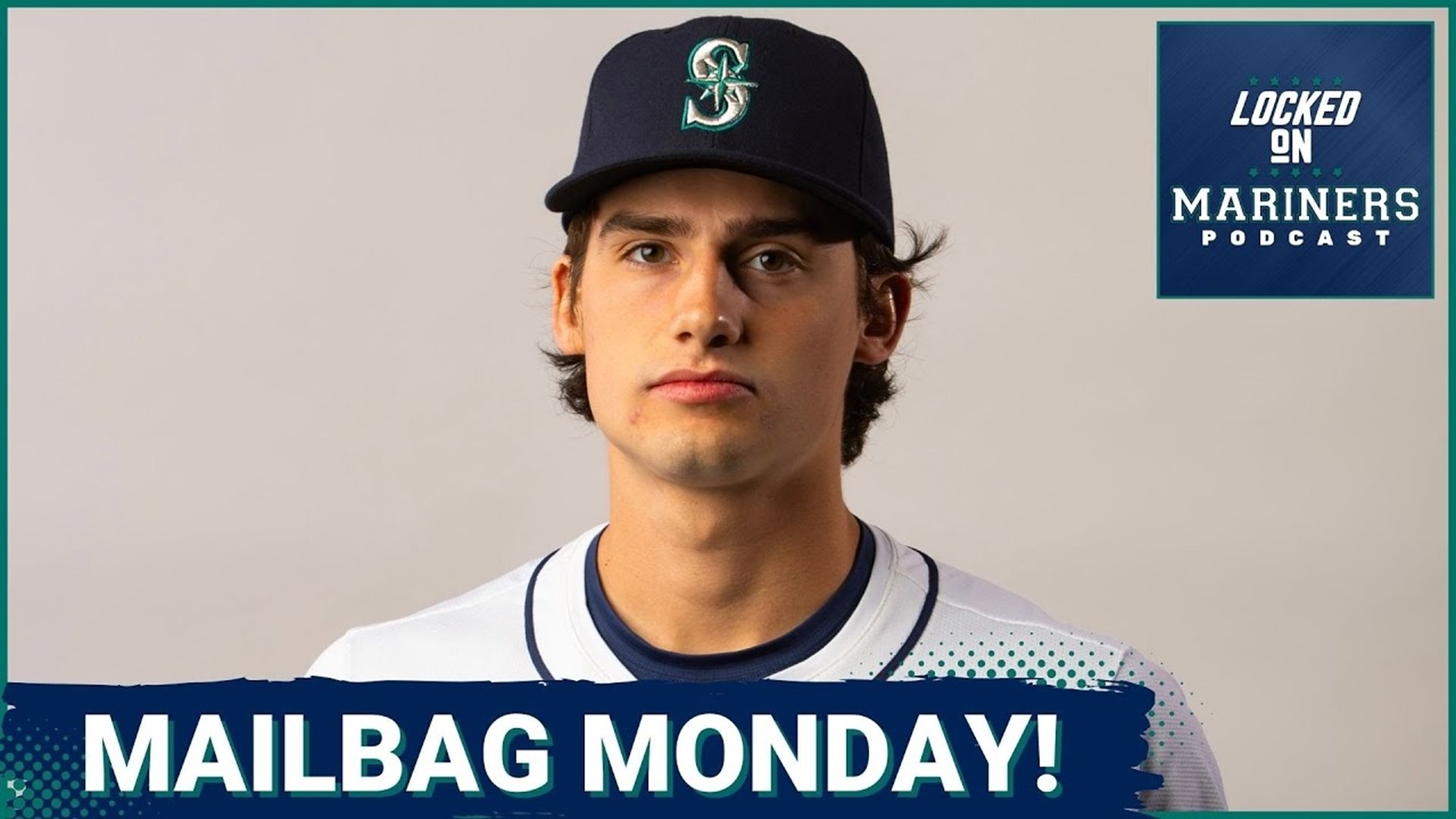
Honestly, if you've been following the Seattle Mariners lately, you know the vibe. It is all about the "Next Big Thing." Everyone is talking about Colt Emerson or the trade that sent Harry Ford to the Nationals. But people are kinda sleeping on the guy who already broke through the glass ceiling.
Cole Young is that guy.
He didn't just survive the minor league meat grinder; he forced his way into a big-league uniform before he could even legally rent a car. On May 31, 2025, Cole Young officially became a major leaguer. He didn't just show up, either. He drove in the game-winning run in the 11th inning of his debut. Talk about a "Welcome to the Show" moment.
Now, as we head into 2026, the conversation around Cole Young has shifted. It is no longer about "when will he get here?" It's about whether he can be the high-OBP, steady-handed second baseman the Mariners have craved for a decade.
The Reality of the Cole Young Seattle Mariners Debut
Let’s be real for a second. That .211 batting average in 2025? It looks a little ugly on the back of a baseball card.
But if you actually watched the games, you saw something else. You saw a 21-year-old kid taking professional at-bats. He walked 28 times in 77 games. That is a walk rate over 10 percent. For a rookie being thrown into the fire of a pennant race, that is basically unheard of. Most kids are up there swinging at everything that moves. Cole? He was hunting his pitch.
The Mariners didn't call him up just for fun. They called him up because he dominated Triple-A Tacoma, hitting .277 with a nearly .400 on-base percentage. He was essentially a machine.
Why the "Hit Tool" is His Calling Card
Scouts have always raved about Cole’s swing. It’s short. It’s direct. It stays in the zone forever.
When you look at the advanced metrics from his 2025 stint in Seattle, a few things jump out:
- Whiff Rate: 24.6%. That’s actually better than many established veterans.
- Chase Rate: 23.5%. He isn't biting on the slider in the dirt.
- Expected wOBA (xwOBA): .293. This suggests he was actually hitting the ball better than his surface stats indicated.
He isn't going to hit 40 home runs. That’s not his game. He’s the guy who hits the double into the gap to move the runner. He’s the guy who works a 10-pitch walk to annoy the opposing pitcher. Basically, he is the glue.
Where Does He Fit in the 2026 Infield?
This is where things get interesting—and a little crowded. The Mariners’ front office, led by Jerry Dipoto, has built one of the deepest farm systems in baseball.
We know J.P. Crawford is the captain at shortstop. But his contract doesn't last forever. Then you have Colt Emerson, who is knocking on the door and might even take the third-base job this spring. Where does that leave Cole Young?
Most experts, including the folks over at Baseball America, see Cole’s permanent home at second base. His arm is "average to above-average," which is fine for short, but it’s elite for second. He’s got those soft, reliable hands that managers love. He doesn't make the flashy, diving plays that make SportsCenter every night, but he also doesn't boot the routine grounder.
In 73 games at second base last year, he posted a .984 fielding percentage. He’s steady.
The Competition and the Trade Block
There was some chatter during the 2025 Winter Meetings about whether the Mariners would move a middle infielder to get a big-name starter or a corner outfielder. With Felnin Celesten and Michael Arroyo also rising through the ranks, some fans worry Cole could be the "odd man out."
Honestly, I don't see it. You don't trade a 22-year-old with a 60-grade hit tool unless the return is a literal Cy Young candidate. Cole Young is exactly the kind of "control the zone" hitter this organization has been trying to develop for years.
Adjusting for 2026: What Needs to Change?
If Cole Young is going to be a star in Seattle, he has to handle the high heat.
In 2025, MLB pitchers realized they could occasionally blow a 98-mph heater past him if they went up in the zone. His slugging percentage on four-seam fastballs was just .305. He’s got to learn to turn on that pitch or at least spoil it.
The good news? He’s a worker. He’s already been spotted at Driveline this offseason working on his bat speed. He’s only 180 pounds right now. A little more "man strength" as he hits age 22 could turn some of those 340-foot flyouts into 380-foot home runs.
What to Expect This Season
Don't be shocked if Cole starts the 2026 season as the primary second baseman.
If he can keep his OBP around .340, he’s a massive win for the Mariners. Imagine a lineup where Julio Rodríguez has Cole Young on base ahead of him. That is a nightmare for pitchers. It forces them to throw strikes to Julio, and we all know how that ends.
Actionable Next Steps for Mariners Fans:
- Watch the Spring Training lineup: If Cole is consistently batting 2nd or 9th, it means the team is grooming him for a "table-setter" role.
- Track his Exit Velocity: Look for his average EV to creep up toward 90 mph. If it does, those 4 home runs from last year will easily triple.
- Check the "OAA" (Outs Above Average): Keep an eye on his defensive metrics at second base to see if his range is improving as he gets more comfortable with MLB speed.